
Quality-Weighted Retargeting: The Playbook for Higher ROAS This Festive Season
If you’re reading this on Dec 24: stop “retargeting.” Start blocker recovery. Your job in the next 48 hours is not volume. It’s certainty (delivery + total cost) + unblocking checkout.


With costs surging and leadership expecting Christmas sales to deliver, retargeting becomes the default lever. The logic is simple: if someone added to the cart or viewed a product, they must be worth chasing.
Why this matters in the last week of the year
Two things are true at the same time:
Most carts don’t convert. Average cart abandonment is ~70% and the top reasons are predictable: extra costs, slow delivery, trust, forced account creation, and long checkout.
Holiday traffic is mobile-heavy. Adobe expects mobile to drive ~56% of holiday online revenue and ~70% of retail site visits to happen on mobile
So if you retarget “everyone who touched a product or cart”, you are mostly paying to re-show ads to:
people who were surprised by shipping/taxes (39%)
people who decided delivery was too slow (21%)
people who didn’t trust the site (19%)
people who hit friction like forced login (19%)
And holiday auctions do get tighter. Tinuiti saw Meta CPM rise at least 11% each day from Thanksgiving through Cyber Monday, with ~12% up YoY across that window.
Higher CPM + low-intent pools = you burn budget faster.
Dec 24 Mode: The 48-Hour Rescue Plan
Hour 0–4: Stop the bleed
Kill any ad set that targets “All visitors 30 days” / “All ATC 30 days”
Build suppression (Browsers cohort below) and exclude it from every retargeting set
Shrink windows:
High intent: 1–3 days
Blockers: 3–7 days
Hour 4–24: Rebuild around blockers
Launch 4 cohorts first:
Buy-Now (High Intent)
Delivery Blocked
Blocked Checkout
Cost Shock
Hour 24–48: Rebalance daily
Shift budget toward cohorts that are converting today
Cap frequency (don’t spam shrinking pools)
Fix overlap (don’t pay twice for the same people)
Your 7-Day Implementation Plan (if you’re not in panic mode)
Days 1–2: Foundation
Instrument the 6 signals (Section 2)
Create 6 cohorts (Section 3)
Set exclusions so junk never hits paid
Days 3–4: Launch
High intent + blocked cohorts first
Short windows
Creative tied to the blocker (delivery vs cost vs payment)
Days 5–7: Optimise
Overlap + frequency check daily
Shift budget based on cohort ROAS, not campaign names
Tighten thresholds so lists stay small but real
Section 1: Why traditional retargeting breaks (especially this week)
Cart views don’t equal purchase intent
A cart event can mean:
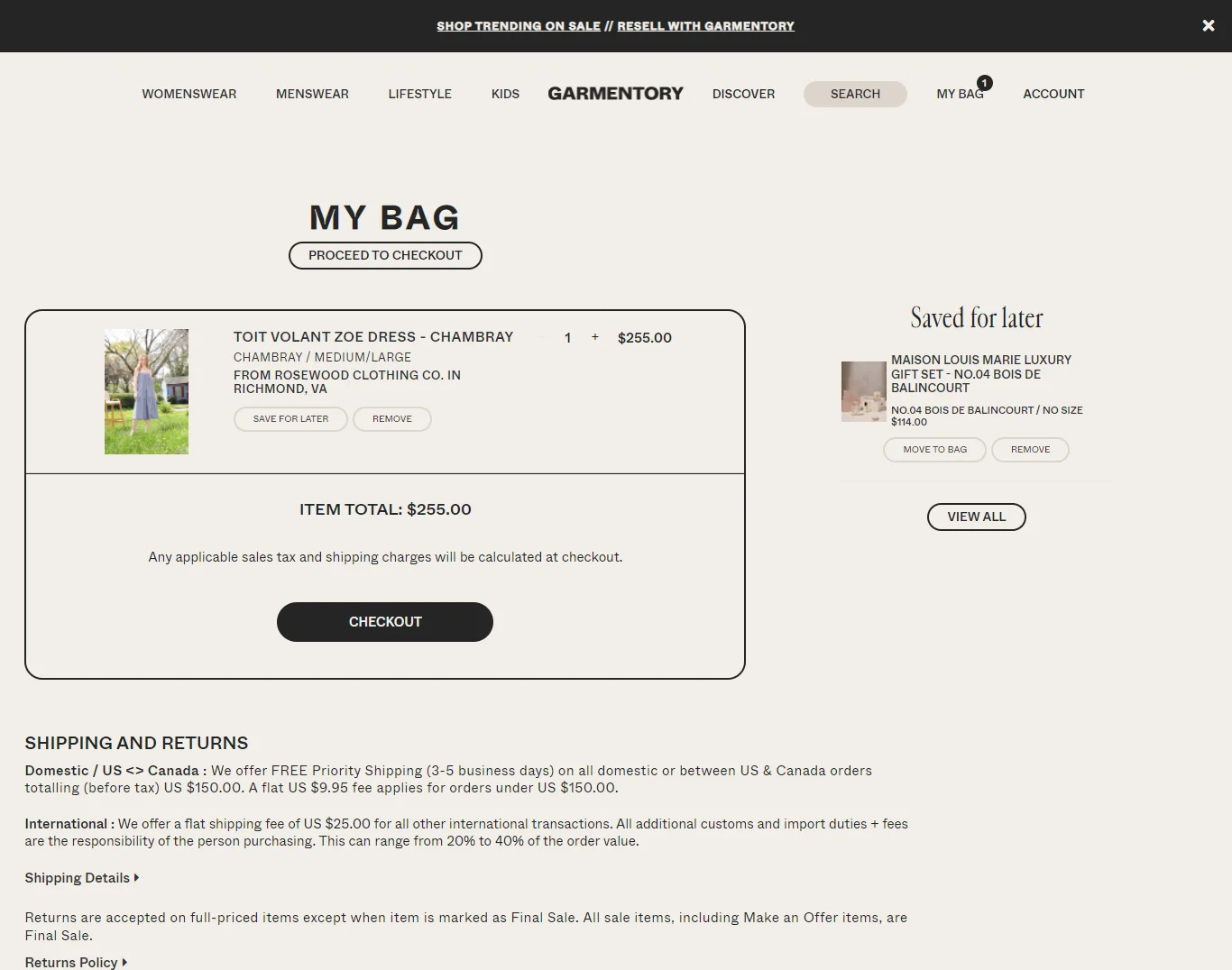
“Checking shipping”
“Checking COD”
“Comparing total cost”
“Saving for later”
“I’ll buy after Christmas / after salary / after New Year”
And Baymard’s research makes the core truth unignorable: extra costs (39%) and delivery being too slow (21%) are major checkout drop drivers, alongside trust/payment/checkout friction.
If your ads don’t reduce the blocker, you’re just buying impressions.
Identity noise inflates lists
Even “solid” lists get inflated by:
the same shopper across devices
cookie resets
app vs web splits
So your “big retargeting pool” is often fake scale.
The 10-minute Holiday Retargeting Audit (run this today)
1) Cart audience CVR vs site CVR
If cart audience CVR is meaningfully lower than site CVR, your cart list is mixed with junk.
2) Blocker coverage
From cart/checkout sessions, what % did any of these happen?
shipping fee shown
delivery ETA / PIN check
payment options viewed
returns policy viewed
If most sessions did none of these, your “warm” pool is mostly browsers.
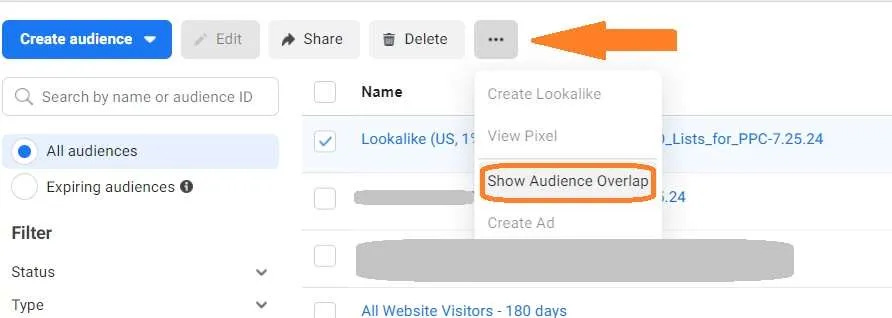
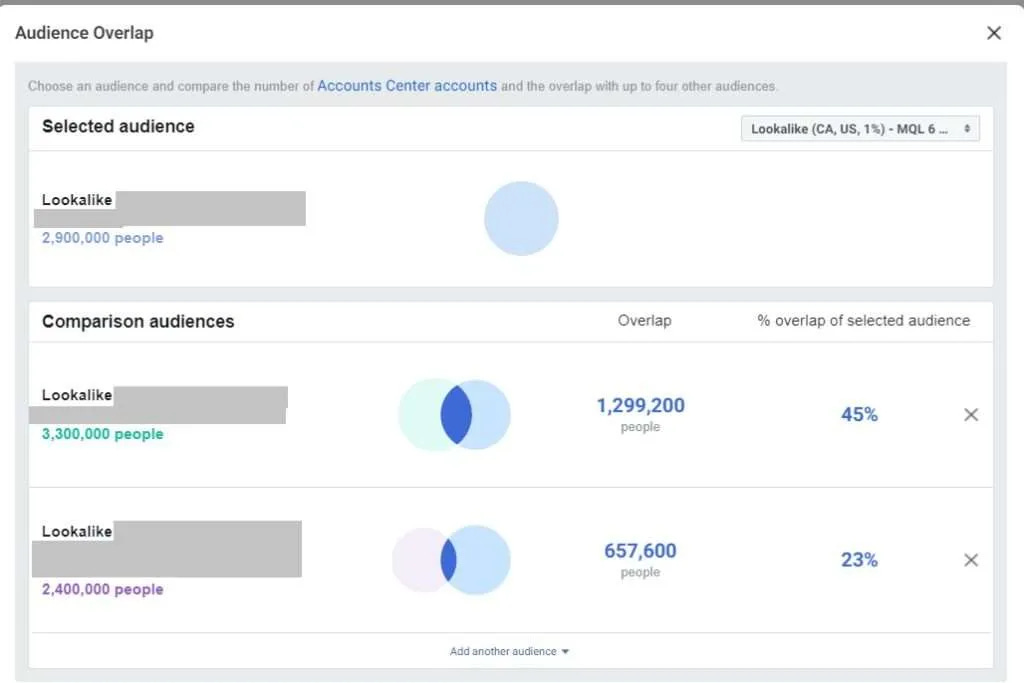
3) Audience overlap (Meta)
Use Audience Overlap. If overlap is heavy, you’re paying twice.
Bottom line: default “PDP/ATC retargeting” is not a strategy. It’s a leak.
Cookie and identity noise inflate lists
Even if you accept cart views as a starting point, identity gaps make lists unreliable:
Duplicate profiles appear when the same shopper browses from mobile, desktop, and app.
Cookie clearing creates “new” users, multiplying audience size without adding real buyers.
The result is a retargeting list that looks big but delivers very little. This false volume is one of the biggest hidden drains on Christmas budgets.
Quick Audit: Check your Meta Ads Manager audience overlap tool. If cart abandoners and product viewers show >40% overlap, you’re double-counting users.
The cost during Christmas
Here’s what this looks like in real terms:
Out of 10,000 cart viewers, only ~2,000 typically show real intent.
That leaves 8,000 wasted impressions.
If your CPM during Christmas is ₹250, and each shopper sees six retargeting impressions, that’s almost ₹2.4 lakh lost in a single day.
Multiply this across a 7–10 day push, and you’re burning through crores on people who were never going to buy.
Section 3: How to build quality-weighted retargeting cohorts
In Section 1, we broke down why cart views are unreliable: most of those audiences never convert, yet brands continue to chase them and burn lakhs during Christmas. The only way to stop that waste is to rebuild retargeting cohorts around session-level intent signals.
Stop building audiences around “events.”
Build audiences around reasons.
Step 1: Define exclusion rules (before anything else)
Exclude from paid retargeting:
zero checkout probe
zero trust actions
no delivery check + no cost exposure
messy sessions (heavy backtracking + no forward step)
That group can be nurtured on email/WhatsApp later — but it’s not worth peak-week paid retargeting.
Step 2: Build the 6 cohorts (this is the system)
Cohort A: Buy-Now (High Intent)
Who: checkout probe + at least one trust action
Window: 1–3 days
Goal: purchase
Meta audience (example):
Include: /cart OR /checkout
AND event: CheckoutProbe
AND TrustActions ≥ 1
Exclude: Purchasers (7 days)
Cohort B: Delivery Blocked (NEW)
Who: they checked delivery, and it failed (too late / not available)
Window: 3–5 days
Goal: convert via alternate path (gift card / after-Christmas delivery / pickup)
Creative: be honest. If it won’t arrive by Christmas, don’t imply it.
Cohort C: Cost Shock
Who: total cost/shipping fee revealed → exit soon after
Window: 3–7 days
Goal: purchase
Creative:
free shipping threshold
bundles that reduce shipping pain
“no hidden fees” clarity
(Baymard: extra costs are the biggest drop reason.)
Cohort D: Blocked Checkout (NEW)
Who: payment/address/OTP error or repeated attempts
Window: 5 days
Goal: purchase
Creative:
alternate payment options
short reassurance
“complete in 20 seconds” framing
support fallback
Cohort E: Trust Seekers
Who: returns/reviews/size viewed (2+ trust actions) but no checkout probe
Window: 7 days
Goal: assist conversion
Creative: returns, warranty, gifting reassurance, reviews
Cohort F: Browsers (Suppress)
Who: ATC but no trust, no checkout probe, messy path
Action: suppress from paid
The mistake isn’t running retargeting during Christmas; instead, it’s running it on the wrong signals. When you base lists on cart views, you’re paying to chase inflated audiences. When you switch to behavioural depth, price focus, trust cues, and checkout probes, you start spending only on people who are genuinely moving toward a purchase.
This is how brands protect retargeting ROI when CPMs spike: not by cutting budgets, but by filtering waste before money leaves the account.
Step 3: Push cohorts into Meta + Google (don’t dump everything)
High intent → conversion objective, short window
Delivery Blocked / Cost Shock / Blocked Checkout → their own ad sets with blocker-specific creative
Browsers → suppressed everywhere
Step 4: Fix the “wrong dates” problem (no hardcoded cutoffs)
Do not hardcode random deadlines in ad copy.
Use rules:
If express delivery is available for the user’s PIN → “still in time”
If not → “arrives after Christmas” + gift card / New Year angle
Always match actual ops
Holiday deadline clarity is a known lever across ecom retention playbooks, but only if it’s true.
Section 3: How to build quality-weighted retargeting cohorts
Stop building audiences around “events.”
Build audiences around reasons.
Step 1: Define exclusion rules (before anything else)
Exclude from paid retargeting:
zero checkout probe
zero trust actions
no delivery check + no cost exposure
messy sessions (heavy backtracking + no forward step)
That group can be nurtured on email/WhatsApp later — but it’s not worth peak-week paid retargeting.
Step 2: Build the 6 cohorts (this is the system)
Cohort A: Buy-Now (High Intent)
Who: checkout probe + at least one trust action
Window: 1–3 days
Goal: purchase
Meta audience (example):
Include: /cart OR /checkout
AND event: CheckoutProbe
AND TrustActions ≥ 1
Exclude: Purchasers (7 days)
Cohort B: Delivery Blocked (NEW)
Who: they checked delivery, and it failed (too late / not available)
Window: 3–5 days
Goal: convert via alternate path (gift card / after-Christmas delivery / pickup)
Creative: be honest. If it won’t arrive by Christmas, don’t imply it.
Cohort C: Cost Shock
Who: total cost/shipping fee revealed → exit soon after
Window: 3–7 days
Goal: purchase
Creative:
free shipping threshold
bundles that reduce shipping pain
“no hidden fees” clarity
(Baymard: extra costs are the biggest drop reason.)
Cohort D: Blocked Checkout (NEW)
Who: payment/address/OTP error or repeated attempts
Window: 5 days
Goal: purchase
Creative:
alternate payment options
short reassurance
“complete in 20 seconds” framing
support fallback
Cohort E: Trust Seekers
Who: returns/reviews/size viewed (2+ trust actions) but no checkout probe
Window: 7 days
Goal: assist conversion
Creative: returns, warranty, gifting reassurance, reviews
Cohort F: Browsers (Suppress)
Who: ATC but no trust, no checkout probe, messy path
Action: suppress from paid
Step 3: Push cohorts into Meta + Google (don’t dump everything)
High intent → conversion objective, short window
Delivery Blocked / Cost Shock / Blocked Checkout → their own ad sets with blocker-specific creative
Browsers → suppressed everywhere
Step 4: Fix the “wrong dates” problem (no hardcoded cutoffs)
Do not hardcode random deadlines in ad copy.
Use rules:
If express delivery is available for the user’s PIN → “still in time”
If not → “arrives after Christmas” + gift card / New Year angle
Always match actual ops
Holiday deadline clarity is a known lever across ecom retention playbooks, but only if it’s true.
Section 4: Holiday-specific tactics (Christmas + Post-Christmas + New Year)
Part 1: Christmas week (Dec 18–24)
Rule: every ad must reduce a blocker.
Delivery clarity > generic urgency
Cost clarity > “biggest sale” shouting
Payment clarity > “limited time” spam
Part 2: Post-Christmas wave (Dec 26–Jan 2) — don’t stop early
Shopping doesn’t end on Dec 25.
NRF reports:
70% plan to shop the week after Christmas
top reasons: promos (45%) + using gift cards (26%)
NRF also reports planned gift card spend of $29B in 2025.
So you need a second wave plan:
Post-Christmas cohorts
Gift card users / store credit holders
Promo responders
Exchange/return buyers (if you can identify them)
Post-Christmas creative angles
“Use your gift card”
“Year-end prices”
“Easy exchanges”
“Back in stock”
Post-Christmas windows
7–14 days (longer than Christmas week)
Part 3: New Year (Jan 1–7)
New Year buyers are different:
self-purchase
exchanges
“fresh start” intent
Treat it as its own set with your best margin SKUs + exchange ease.
If you take only one idea from this playbook, take this:
Your best retargeting audiences are not “people who added to cart.”
They’re “people who hit a specific blocker and are still recoverable.”
So here’s your final operating rule for the last week of the year:
Buy-Now gets your fastest conversion ads (short windows, tight frequency).
Delivery Blocked gets an honest alternate path (gift card / post-Christmas delivery / pickup).
Cost Shock gets cost clarity (no surprises, shipping thresholds, bundles).
Blocked Checkout gets recovery (alternate payment, support, quick completion).
Browsers get suppressed (or nurtured cheaply), not chased with peak CPMs.
And don’t stop on Dec 25.
NRF’s data makes it clear that the week after Christmas still has demand, driven by promos and gift cards.
If you don’t have a post-Christmas wave, you’re turning off your best second chance.
Run this like a system for 7 days.
You’ll spend less on noise, and more on people who can actually convert — even when the week is expensive.
If you want, reply with your category + average AOV + top 2 payment methods, and I’ll tell you which two cohorts usually carry the most revenue for that setup (and what to suppress first).